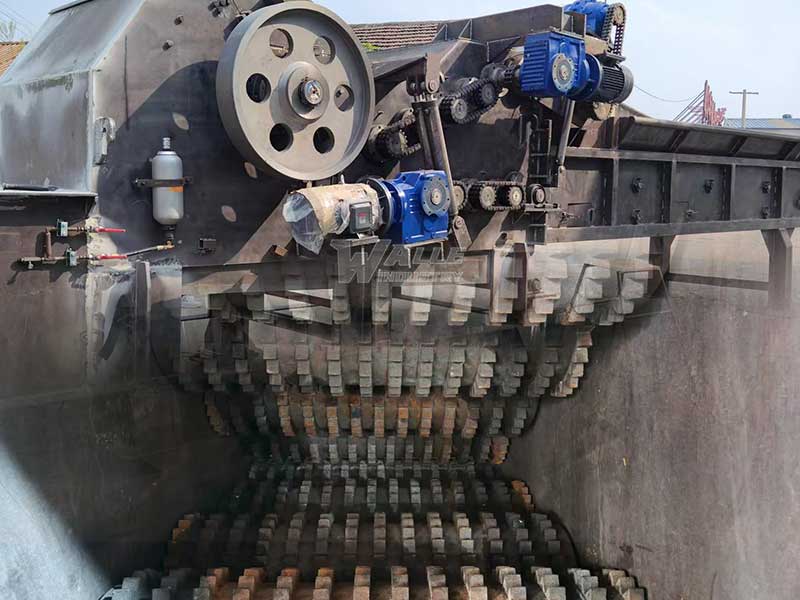
How to Ensure Uniform Wood Chips During Wood Chipper Operation | Professional Operation Guide
Uniform wood chips are the core standard for qualified biomass fuel, garden mulch, and industrial wood raw materials. Unregulated wood chipper operation often produces mixed large blocks, fine powder and irregular fragments, which greatly reduces product market value, affects combustion efficiency, and causes unstable downstream processing quality. Many forestry contractors and recycling factories face inconsistent chipping results due to irregular operation, improper parameter setting and neglected equipment maintenance. Mastering standardized operating skills is the key to maintaining stable and uniform wood chip output for long-term wood chipper operation.
Professional
wood chipper equipment can achieve precise and consistent chipping effects only with scientific operation and daily maintenance. Uniform wood chips feature regular shape, consistent particle size and low powder rate, which are widely favored in biomass power generation, landscaping covering, board processing and organic fertilizer raw material production. This article shares practical and industry-standard operation methods to help users completely solve the problem of uneven wood fragments and maximize equipment production benefits.
Key Factors Causing Uneven Wood Chips
The main reasons for irregular wood chips include uneven raw material thickness, disordered manual feeding, dull or damaged cutting blades, unreasonable host speed matching, and blocked screening systems. Hard dry wood and fresh wet branches mixed feeding will lead to different cutting resistance, resulting in inconsistent chip size. In addition, long-term equipment operation without blade sharpening and gap adjustment will seriously reduce chipping accuracy, producing a large number of wood powder and oversized wood blocks.
Practical Methods to Ensure Uniform Wood Chip Formation
Standardize Raw Material Selection and Feeding Method Classify raw materials before processing, separate thick logs, thin branches and dry and wet wood materials for batch chipping. Avoid mixed feeding of hard and soft wood to ensure uniform cutting resistance. Adopt continuous and flat feeding mode, prohibit sudden fast feeding or intermittent feeding, and keep stable material propulsion speed. This operation effectively avoids instantaneous overload cutting and irregular fragment tearing, laying a foundation for standardized wood chip molding.
Adjust Equipment Parameters and Blade Condition Regularly check and sharpen the alloy cutting blades of thewood chipper to ensure sharp cutting performance and prevent wood tearing and powder generation. Adjust the blade gap and screen mesh size according to the required wood chip specifications to lock the particle size range. For adjustable industrial chippers, match the optimal host rotating speed according to material hardness, ensuring each batch of wood is cut evenly and stably without missing cutting or repeated crushing.
Optimize Operating Speed and Working Environment Avoid long-term overload operation of the equipment, and control the feeding volume within the rated processing range to prevent material accumulation and incomplete cutting. Clean the internal cavity and screening system regularly to prevent residual wood chips from affecting new material cutting and screening. Maintain stable working voltage and mechanical operation balance to avoid vibration deviation caused by unstable equipment operation, which ensures consistent overall chipping quality.
Long-Term Maintenance for Stable Chipping Quality
Daily standardized maintenance is essential for long-term uniform wood chip production. Regularly inspect blade wear, bearing stability and mesh blockage, replace vulnerable parts in time, and lubricate transmission components. Reasonable operation and maintenance can not only ensure uniform and beautiful finished wood chips, improve product market competitiveness, but also extend the service life of the wood chipper and reduce enterprise operating costs.
We provide high-precision industrial wood chippers, customized chip size solutions, professional operation guidance and full-cycle after-sales service. Global forestry processing and green waste recycling buyers are welcome to consult equipment parameters and standardized operation tutorials.